
By Ouni Jaspher
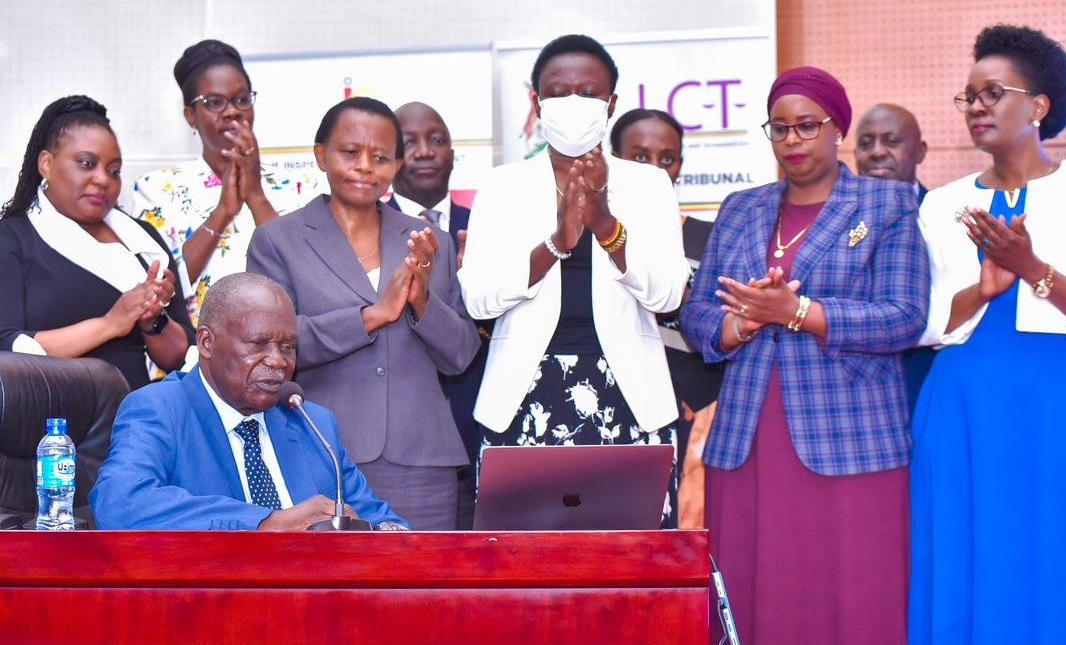
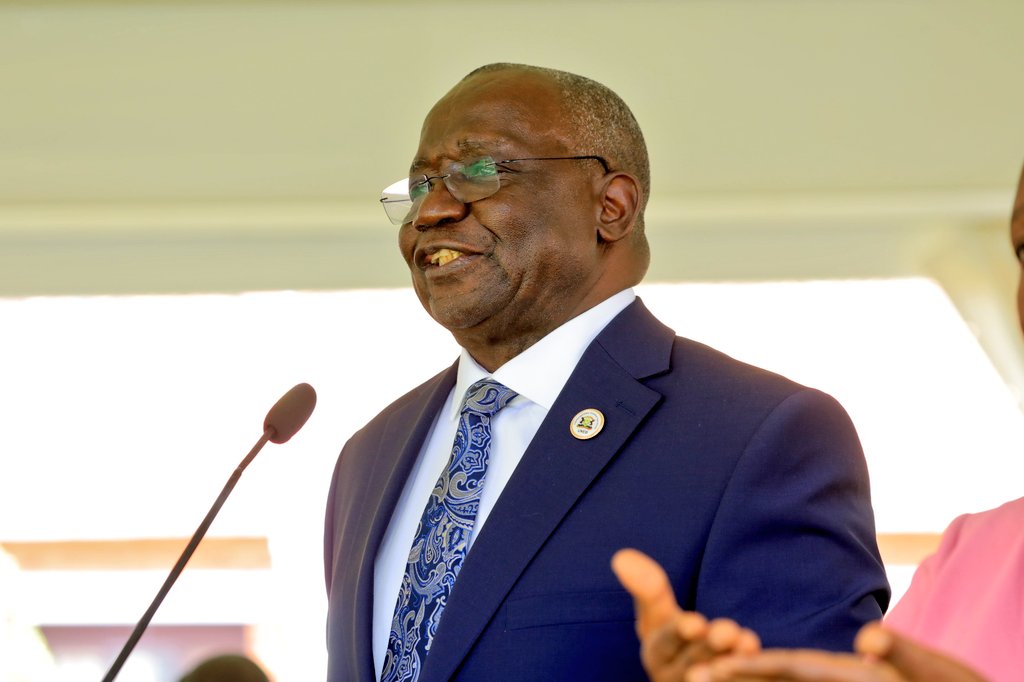
State House Nakasero: Uganda National Examination Board (UNEB) Executive Director Dan Odongo said 2025 Primary Leaving Examination (PLE) Result shows that, in terms of percentages, males performed better than the females and recorded a lower failure rate.
A total of 817,883 candidates from 15,388 examination centres registered for the 2025 Primary Leaving Examination (PLE), compared to 797,444 candidates in 2024.
Of this total, 522,036 candidates (63.8%) from 11,525 centres were Universal Primary Education (UPE) beneficiaries, while 295,847 candidates (36.2%) from 3,863 centres were non-UPE candidates.
At Uganda Government Upper Prison School, Luzira, a total of 61 candidates were registered in 2025, compared to 71 candidates in 2024.
Of the 61 registered candidates, 58 sat for the examination, while 3 were absent. Performance results show that 4 candidates obtained Division 1, 27 attained Division 2, 13 attained Division 3, 5 attained Division 4, and 9 candidates were ungraded.
At Mbarara Main Prison Inmates Primary School, 40 candidates were registered. Of these, 39 candidates sat the examination, while one candidate was absent.
The results indicate that 7 candidates obtained Division 1, 15 attained Division 2, 10 attained Division 3, 5 attained Division 4, and 2 candidates were ungraded.
During the release of the results on Friday at State House Nakasero before the Hon Minister of Education and Sports, Odongo said “we are pleased to present to you the Results of the 2025 Primary Leaving Examination (PLE), which was conducted on 3rd and 4th November 2025”.
According to Odongo, 48,220 males are registered in Division One representing 12.54% as 43,770 females registered in Division One representing 10.35%.
In Division Two, Males are 186,638 representing 48.54% and Females are 201,655 representing 47.69%.
In Division Three, UNEB registered 77,453 Males representing 20.15% and 87,773 females representing 20.76%.
In Division Four, the Board registered 37,658 males representing 9.79% and 47,066 females representing 11.13%.
Odongo noted that the examination was administered under the theme: “Embracing Security and Holistic Assessment of Learners in a Dynamic Environment,” the same theme that was adopted in 2024.
He explained that the examiners and curriculum specialists commended the overall quality of the examination papers administered.
”The papers clearly reflected the paradigm shift towards competency-based learning, with questions designed to assess learners’ ability to apply knowledge and skills” he said.
However, it was noted that some teachers—particularly in Social Studies and Religious Education—have not fully adjusted their teaching approaches to align with this shift.
Odongo said as a result, many candidates experienced difficulty responding to questions that required the application of knowledge, especially in relation to their communities and the country at large adding that his partly explains the decline in performance in these subjects compared to 2024.
He said examiners also highlighted the negative impact of materials developed and circulated by so-called examination bureaus shortly before the examination.
Prof. Celestino Obua – the UNEB Chairperson said “Candidature has continued to rise, while absenteeism has remained steady at 1.3 percent over the last two years. However, as you rightly noted in your statement last year, any drop-out is a cause for concern. I trust that the Permanent Secretary and her team have since been able to establish some of the underlying causes, as was promised” Obua explained.
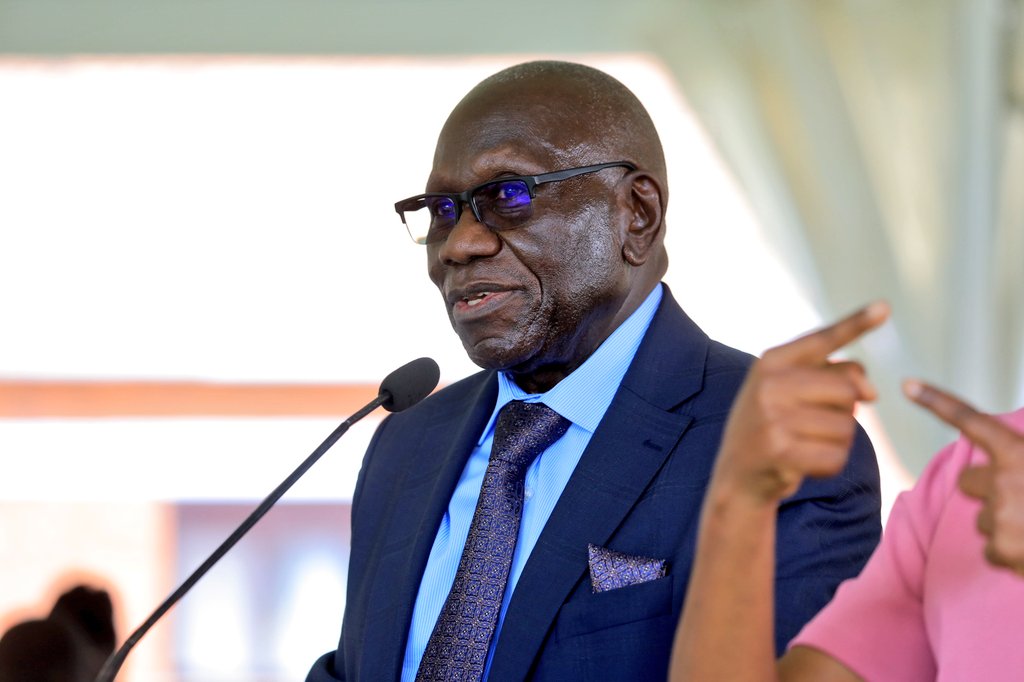
He noted that the performance at the Grade One pass level has improved compared to the 2024 examination.
Obua said overall, more candidates have qualified to proceed to the next level or cycle of education than was the case in 2024.
“I have no doubt that, given the Government’s continued efforts to expand access to post-primary education, all the 730,000 learners who were graded and passed will secure placement in secondary and vocational institutions” Obua said.
Obua said for the second consecutive year, the Board conducted an item analysis of the four examination papers offered at this level to establish the proficiency levels attained by learners.
“This initiative aligns well with the country’s paradigm shift towards a Competency-Based Curriculum and assessment. The analysis will henceforth be conducted and reported annually” Obua said.
He added that from the findings, the Board has formed the view that teachers require substantial capacity-building support to enable them to effectively interpret the curriculum and adapt their teaching approaches accordingly.
Over the last two years, the Board identified two Local Governments with the lowest levels of achievement and provided targeted capacity-building support to selected teachers.