By ouni Jaspher & Denis Omiji
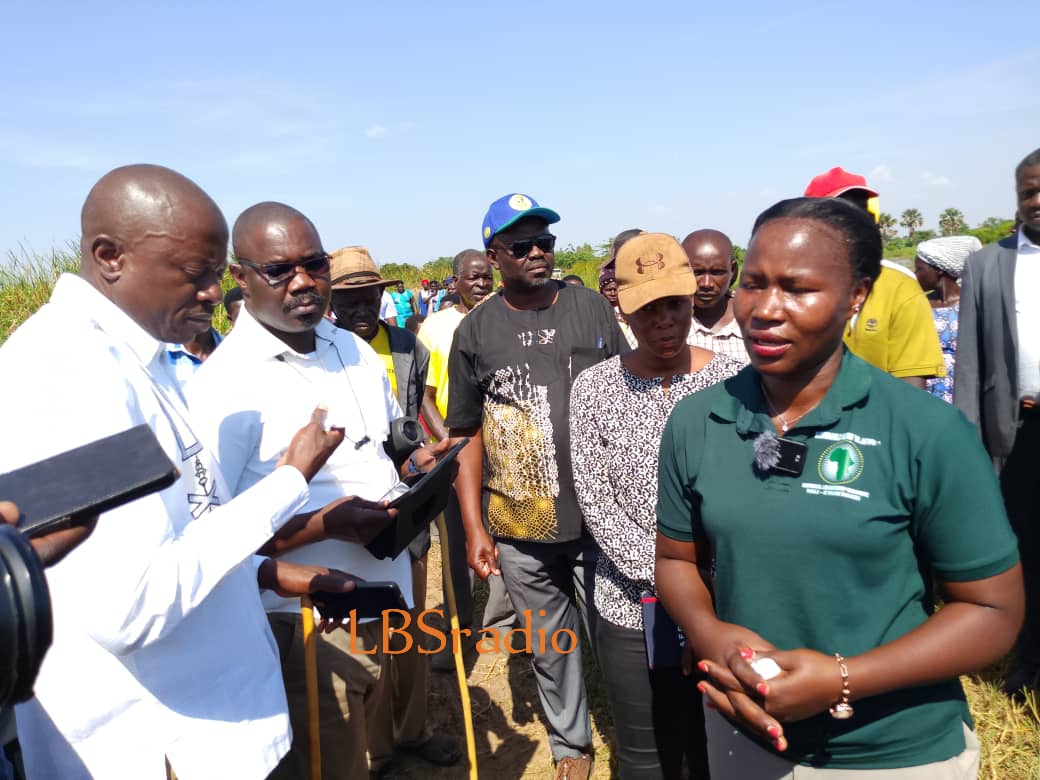
DOKOLO – The Parliamentary Committee on Climate Change in Uganda has concluded a three-day assessment tour in the Lango sub-region, where members witnessed firsthand the suffering and hard life caused by climate change.
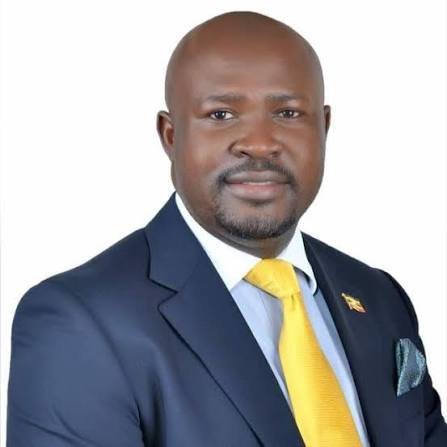
According to the Deputy Chairperson of the committee, Hon. Shafiga Wanyenya, who is the Member of Parliament for Bungokho North, they were in Lango to assess the impact of climate change and what measures are in place to mitigate it.
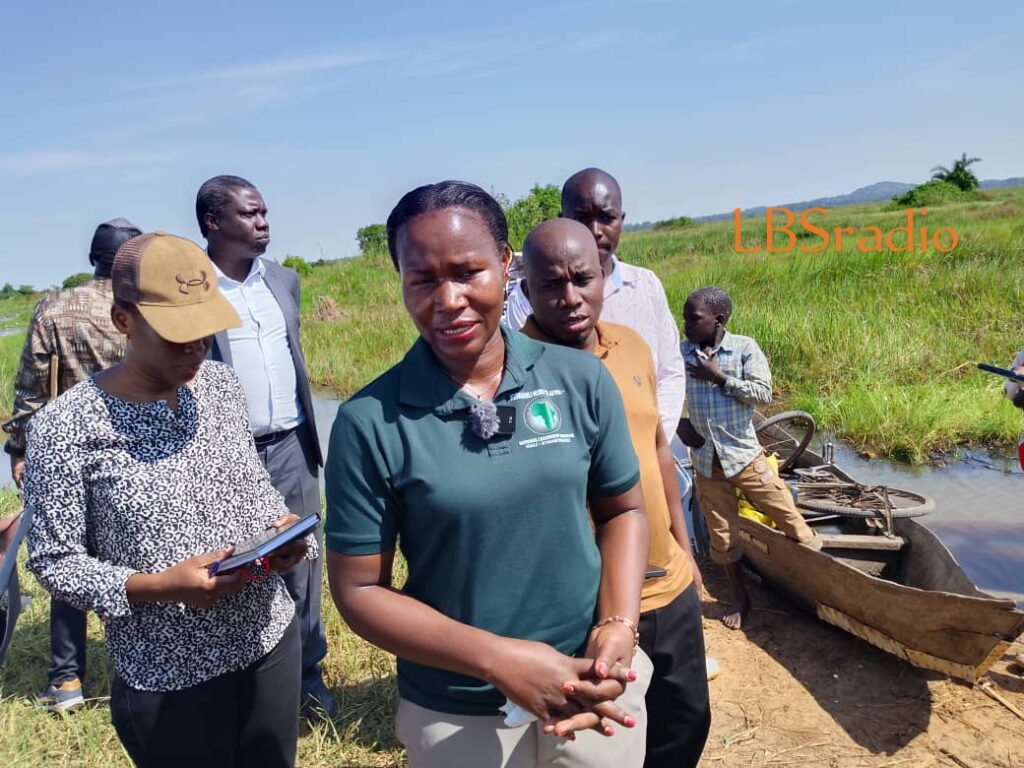
”But we are here to basically see for ourselves. Your area MP Hon. Vincent Opito is a very good person that you sent to the Parliament of Uganda. And he is the reason we are here. Because we should have been in a sub-region where I come from. But he said his area has been greatly impacted by climate change. He told us about the two villages of Bataebwol and Aoa that had been submerged. So it’s the reason as to why we are here,” Wanyenya said.
She commended the MPs from Lango sub-region, saying they put up a very good fight when the committee was deciding where to start from in the 12th Parliament.
”So you should thank God and continue giving them more mandate because they are representing you very well in Parliament. So the things we have seen here, it is clear on the ground that yes, you are greatly being impacted by climate change,” she added.
Wanyenya said the recommendations they are taking to Parliament will be presented on the floor, and when Hon. Opito or Hon. Betty Engola or Joseph Jones Ogwal stands up, other members can also stand and speak because they have had a feel of exactly what is on the ground.
”So thank you so much for giving us the best team from this region. And we promise this is not going to stop here. We will take it. And Parliament will discuss even the recommendations that you have given us. Those that we shall get from Parliament as we settle down, all of them will be presented,” she said.
Speaking during the tour, Dokolo South MP and member of the committee, Hon. Vincent Opito, said it is very important for the local community to plant trees because the land is already exposed.
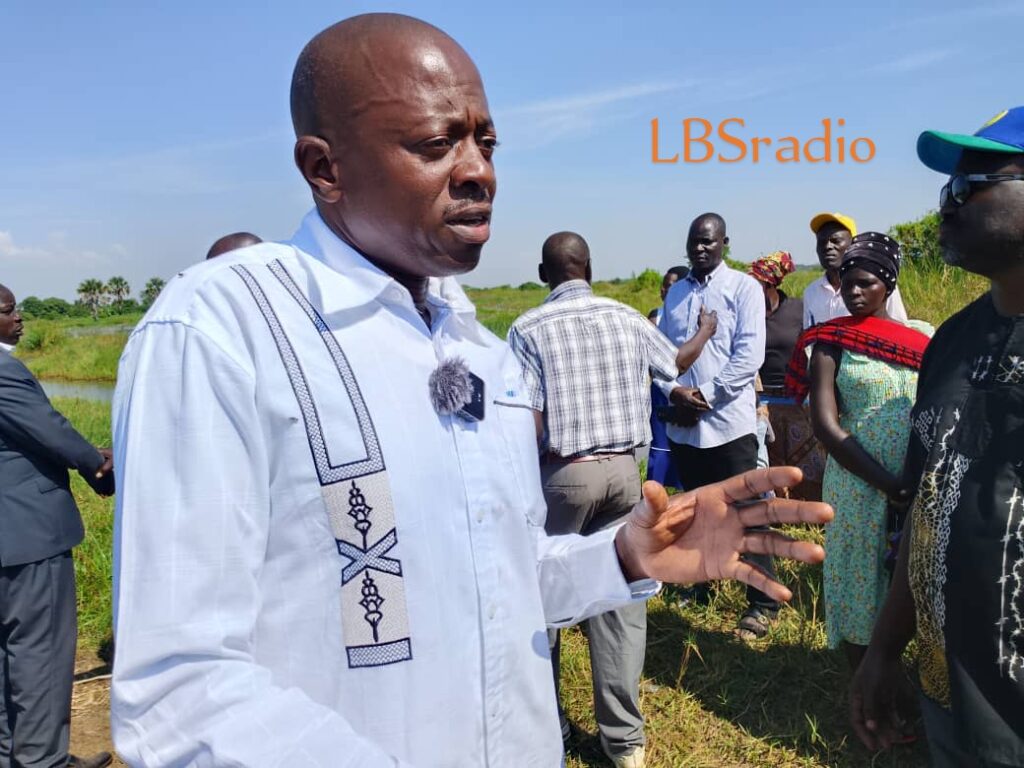
”Our water source is already exposed. And this now makes the aquatic life very difficult. Tomorrow when we have the second generation, they are also going to be affected. There is no permanent solution whatsoever. But there is high need for us to plant trees to protect the habitats of other creatures created by God,” Opito said.
”This place was so beautiful. But since it has been exposed, it now makes it a challenge not only to you. We are aware of the food chain not only to the human beings, but other animals are also affected. So it is my humble opinion that the government makes intervention. But the most intervention is that we should have forest nursery beds at a district level so that the road pavement and other places we cover it with trees,” he added.
Another committee member, Joseph Jones Ogwal, said the committee was brought to Dokolo because it is one of the heavily affected districts.
”We brought the committee here because really Dokolo district is one of the heavily affected districts. We sit at the base of Lake Kyoga basin, majorly affected by Lake Kwania. For my part, in Agwata Town Council more than 2,000 people have been displaced in Kachung and a lot of people have lost livelihoods,” Ogwal said.
He said they came to show the committee and interact with communities to build a profile of what happened and the historical events.
”What we have learned is that this event started as early as 1961. That is when the major flood event took place. Then there was big flooding in 1961, 1962 and the water level moved. Then it reduced after some years and now when it came back in the last 20 years or so, the water has not gone back and we have already seen the impact,” he explained.
Ogwal said one of the things they want districts to do is to have district climate change action plans, from which districts can budget to take care of some of the negative impacts and help people crop.
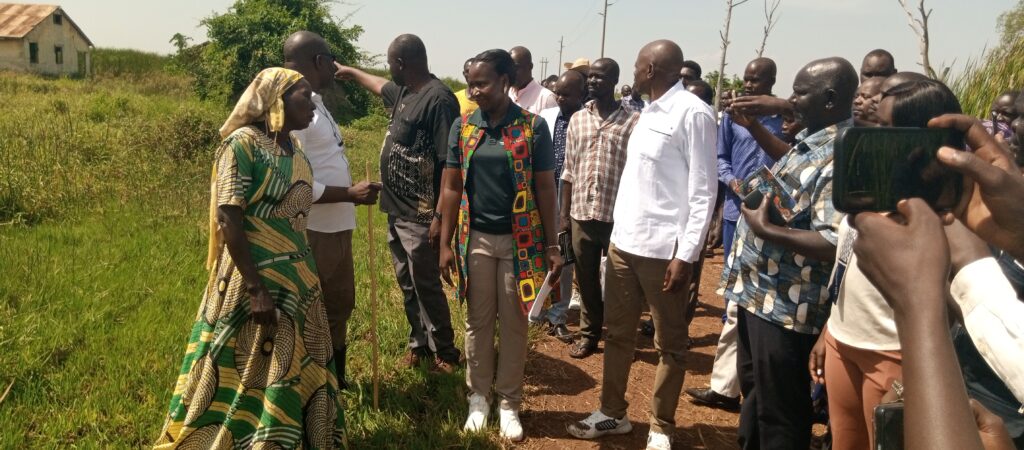
”But also we have the disaster risk committees at the district. They should be collecting data on people who have been displaced, people who have lost land, property, so that we can go and follow up on the compensation which is needed and more importantly, adaptation strategies at local level,” he said.
”As a scientist myself, I would recommend that we need to innovate on the cropping system so that people can be able to grow crops which can be able to coexist with the changes in the weather. That is not what is happening. Because when the drought comes, that is also part of climate change. People lose a lot in terms of the dry weather, when there is too much rain also the same thing. So we need to adopt in that line and then of course, to help children because they are the major people who are affected so much, school going children. We need to innovate to see how we can make them reach school despite all the challenges,” he added.
Climate change affected residents in Dokolo District asked government to consider relocating households affected by floods from Lake Kwania and Lake Kyoga.
Kuranimo Dai, a resident of the Kachung in Agwata town council in Dokolo North, pleaded for iron sheets and compensation for families who have lost their loved ones during the tragedy.
Charles Ogwal, another resident, raised concern over the welfare of people with disabilities who cannot afford to relocate to safer areas.
Ogwal appealed to government to prioritize their welfare in accessing health care, schools and assorted items for those who are living in camps.
Tonny Obel, the LC3 Chairperson of Agwata Town Council, asked government to plan for immediate action in order to save the affected households from contracting diseases and to provide shelter among other needs.
Peter Admin Awany, the LC3 Chairperson of Kwera Sub-county, said the lake has caused them more problems than they have ever had before.
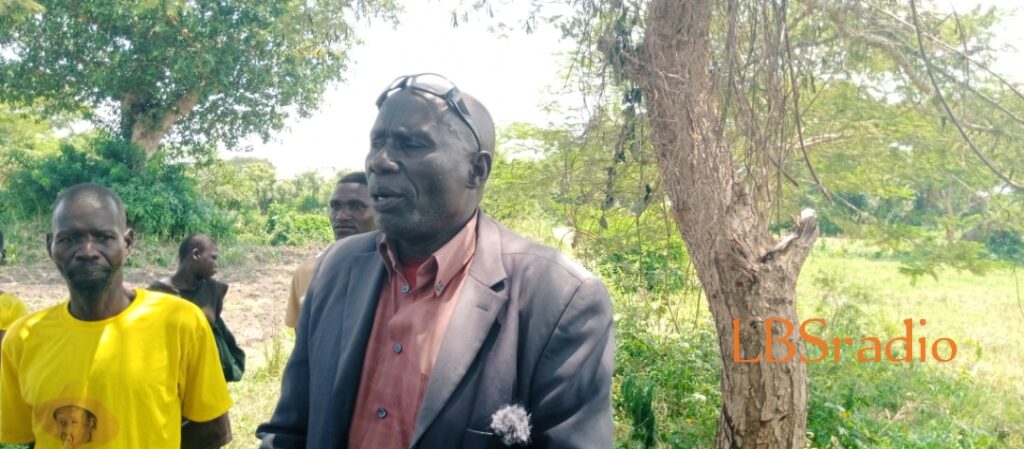
“The lake has caused us more problems that we have ever had before. And from 2019 when the floods began we experienced a number of challenges and some people who have died as its submerged in the lake, we have many graves that have not been exhumed from the lake and they are still now there in the floods. So it has been a very big and serious issue,” Awany said.
He added that flood-affected households are not able to access essential commodities.
“There is no school on the island. We don’t have even a health center. And Kwera geographically is located in a lake area and the level of salinity of the water is quite high there. There is no good water because the rest of the places is salty,” he said.
“Apart from the floods that actually came in from 2019, we have also had a challenge of the hippopotamus which has affected most of our people. The crops have been destroyed and many times I wrote to the wildlife authorities,” Awany added.